

Why Smart Execution is the Game-Changer in Product Development
As product professionals, we’re naturally passionate about our ideas. But passion alone won’t carry a product to success. The real question is: can it be built right, tested early, improved continuously, and launched with confidence?
This phase of the product journey is the true test of execution—where ideas transform into tangible outcomes through prototyping, iterative development, and production readiness. Done right, it empowers teams to move fast and smart.
Why This Phase Matters
You’ve probably heard the mantra: “Fail fast, learn faster.” This is where that philosophy becomes real.
Skipping or rushing this stage invites tech debt, misalignment, costly rework—and ultimately, frustrated users. But with the right tools and mindset, this phase becomes your launchpad for innovation and quality.
Execution is not just shipping. It’s about shipping smart, user-validated, scalable solutions.
From Vision to Validation: The Power of Prototypes
A prototype is your product’s first real-world handshake—a safe, fast, low-cost way to validate assumptions and uncover flaws.
Whether you sketch on paper, use Figma, or build a low-code demo, prototypes help you test value before investing in scale.
Why Prototype:
- Simulate key workflows
- Spark real feedback from stakeholders and users
- Reveal usability and experience gaps early
Case in Point:
A startup I coached was stuck in endless debate. A simple Figma prototype revealed a broken user flow within hours—saving weeks of effort and pivoting them toward a stronger solution.
Prototyping Best Practices:
- Focus on core flows, not every feature
- Test early with real users
- Embrace imperfection—progress beats polish
Build, Test, Learn: The Power of Iterative Development
Once your prototype gets validated, it’s time to build—but not all at once. Iterative development (the backbone of Agile) helps you deliver in small, meaningful increments.
Why Iterate?
- Mitigates risk
- Speeds up feedback
- Encourages stakeholder alignment
- Reduces rework and burnout

Key Enablers:
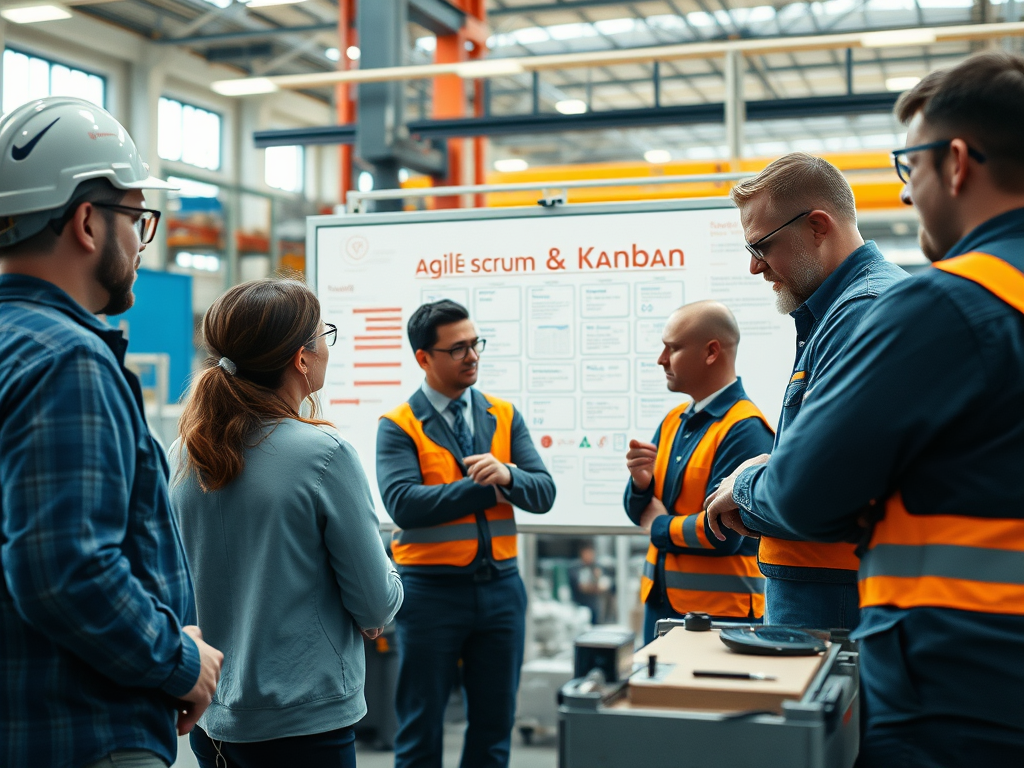
- Scrum/Kanban boards for visibility
- CI/CD pipelines for rapid releases
- Feature toggles for safe experimentation
- User stories tied to personas and real needs
Define “Done” to include code, tests, docs, and stakeholder sign-off. Done should mean really done.
Collaboration: The Secret Weapon of Successful Delivery
Products aren’t built in silos. Cross-functional collaboration isn’t just a nice-to-have—it’s how successful teams ship consistently and learn rapidly.
What It Looks Like:
- Designers join sprint planning and stand-ups
- Engineers provide feedback during design
- QA partners in defining acceptance criteria
- DevOps works side-by-side to plan deployment early
This alignment reduces handoffs, clarifies expectations, and builds team ownership of outcomes.
Production Readiness: Don’t Just Ship—Ship Smart
Shipping to production isn’t a milestone—it’s a responsibility. Real-world usage demands stability, speed, and safety.
Production Readiness Checklist:
- Code Quality: Peer reviews, linters, automated tests
- Performance Testing: Will it scale under load?
- Security Audits: Protect user data proactively
- Monitoring/Observability: Detect and act on failures quickly
- Rollback Plans: Prepare for the unexpected
Don’t push readiness to the end—bake it into every sprint.
Tools like Sentry, Datadog, and Jenkins help enforce discipline and resilience from Day 1.
Case Study: From Chaos to Confidence
On a past project, a team built the backend first—only to discover that the user onboarding flow confused real users. We paused, built a quick prototype of the onboarding journey, tested with 10 users, and pivoted early.
With QA, design, and DevOps looped in from Sprint 1, the relaunch was bug-free, on time, and exceeded adoption goals.
Lesson? Don’t build blind. Build with clarity, validation, and readiness.
Final Thoughts: Build With Purpose, Not Just Speed
This is the stage where ideas earn their right to scale. Through smart prototyping, iterative building, and production discipline, your team builds momentum—and trust.
Remember:
- Prototype to test assumptions
- Iterate to reduce waste and adapt fast
- Collaborate across functions early
- Ship smart, not just fast
Great products aren’t built once. They’re shaped through feedback, refined through iteration, and launched with confidence.


One response to “06. From Idea to Impact: Prototyping, Iteration & Building for Readiness”
An impressive share, I simply given this onto a colleague who was doing a little analysis on this. And he actually bought me breakfast because I discovered it for him.. smile. So let me reword that: Thnx for the deal with! However yeah Thnkx for spending the time to debate this, I really feel strongly about it and love studying more on this topic. If possible, as you develop into experience, would you mind updating your weblog with extra details? It is highly helpful for me. Massive thumb up for this blog submit!